Chronological Player Pathways: Exploring Timed Transitions Between Promotional Triggers, Secure Verifications, and Progressive Status Upgrades Across Interactive Mobile Platforms
Written by Parker Franke · Nov 2, 2026
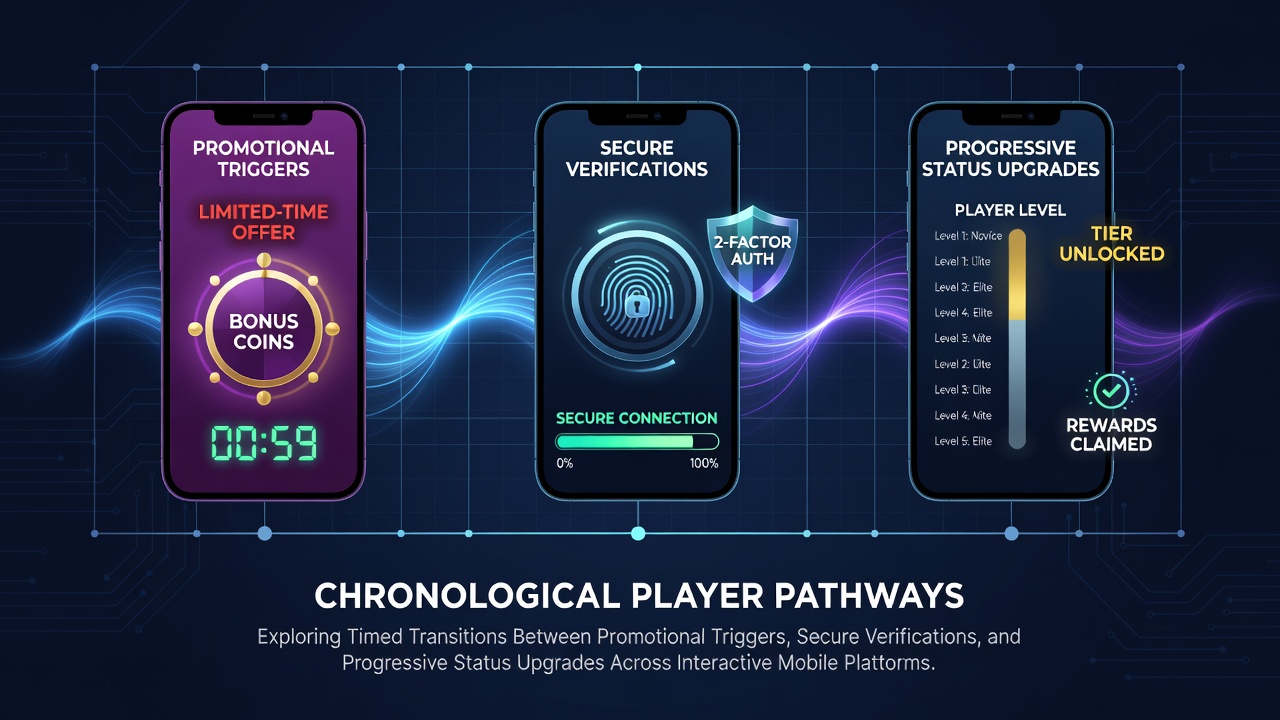
Chronological Player Pathways: Exploring Timed Transitions Between Promotional Triggers, Secure Verifications, and Progressive Status Upgrades Across Interactive Mobile Platforms
Player pathways on interactive mobile platforms follow structured sequences that link promotional triggers with verification steps and status upgrades, and these sequences operate according to defined time intervals across gaming and betting applications. Platforms organize these transitions through automated systems that activate offers after initial deposits, require identity checks within set windows, and advance users through loyalty levels based on cumulative activity metrics.
Mapping the Sequence of Promotional Triggers
Promotional triggers initiate at registration or first deposit, with many platforms setting activation windows between 24 and 72 hours for welcome bonuses or free spins, and data from industry reports shows that these timed elements coordinate with subsequent verification requirements to prevent delays in fund access. Mobile systems track user engagement through push notifications and in-app alerts that prompt actions at precise intervals, such as completing a deposit within the first week or reaching a minimum wager threshold before bonus conversion becomes available. Observers note that these triggers connect directly to verification processes, since platforms often withhold full promotional value until identity documents receive approval, creating a chronological flow that balances marketing incentives with regulatory compliance.
Secure Verifications in the Timeline
Verification procedures insert mandatory checkpoints into player pathways, typically requiring document submission within 48 hours of account creation or before the first withdrawal, and mobile applications streamline this through camera uploads and biometric options that reduce processing times to under 24 hours in many cases. Research indicates that platforms integrate these checks with promotional timelines, so that users who complete verification early unlock higher bonus tiers or faster status progression, whereas delays can shift the entire sequence forward. External standards from regulatory bodies in various regions, including guidelines referenced by the International Association of Gaming Regulators, establish baseline timeframes for these steps to maintain security without extending user wait periods beyond acceptable limits. Those who study platform operations find that verification timing influences later upgrades, because cleared accounts gain immediate access to loyalty tracking tools that log activity for status advancement.
Progressive Status Upgrades and Their Timing
Status upgrades follow activity-based schedules, with many platforms advancing users from entry levels to mid-tier benefits after 30 to 90 days of consistent play or specific wager volumes, and these milestones often coincide with seasonal promotional events that reset or extend qualification periods. Mobile interfaces display progress bars and countdowns that connect current status to upcoming rewards, allowing users to time their engagement around verification renewals or bonus expirations. Figures from market analyses reveal that progressive systems reward chronological consistency, granting cashback increases or exclusive event access only after users maintain activity across consecutive months without gaps that exceed defined thresholds. Platforms adjust these timelines seasonally, with November 2026 seeing expanded mobile campaigns that align upgrade cycles with major sports schedules and holiday promotions to sustain engagement through the final quarter.
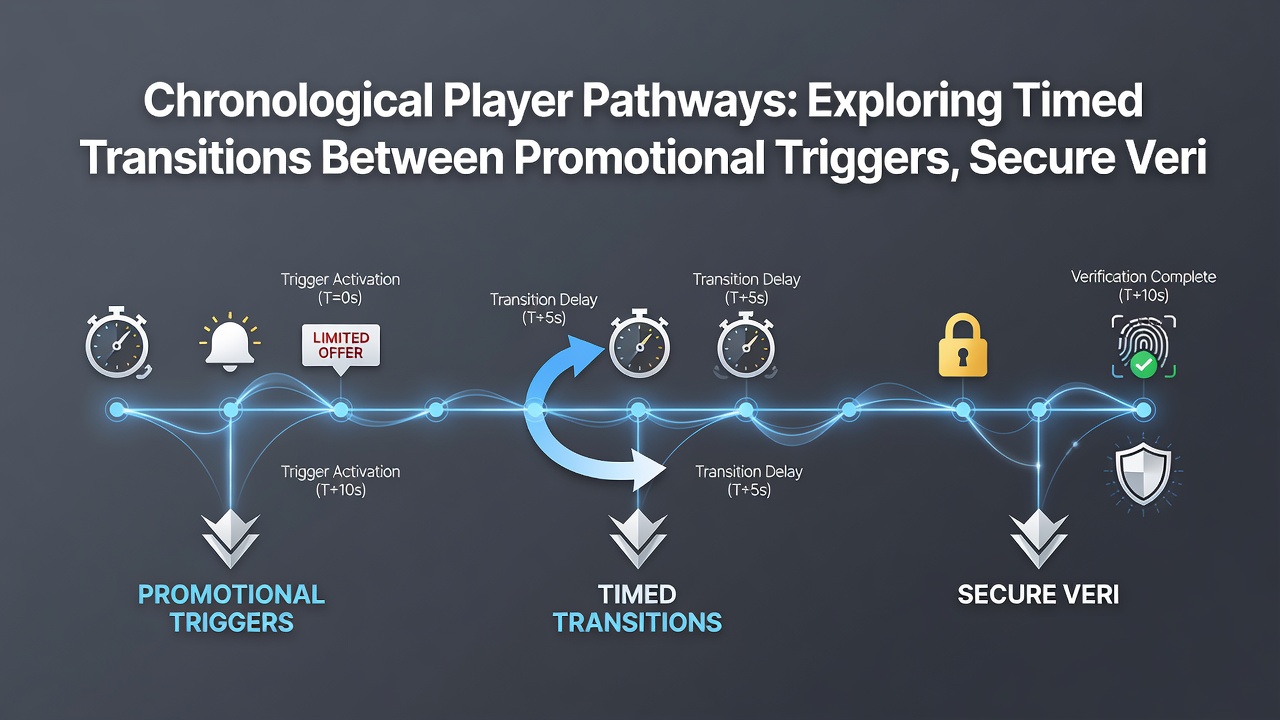
Integration Across Mobile Ecosystems
Interactive mobile platforms synchronize these elements through backend algorithms that monitor user data in real time, triggering the next phase only after prior conditions meet completion, and this creates pathways where a verified deposit leads directly into a status tracking module that logs points toward the next upgrade. Experts have observed that transitions between live dealer sessions, slot play, and sports wagers feed into the same chronological ledger, so that activity across categories contributes to unified status advancement rather than isolated counters. What's interesting is how platforms handle edge cases, such as when verification extends beyond standard windows or when promotional periods overlap with status review dates, requiring manual overrides that still respect overall sequence rules. Data from academic studies on digital gaming behaviors, including work published through the University of Nevada Reno gaming research archives, documents these patterns across multiple jurisdictions and shows consistent emphasis on time-bound transitions to support both user retention and operational security.
Observing Patterns in November 2026
By November 2026, mobile platforms have refined these pathways with enhanced predictive tools that forecast when users approach verification deadlines or status qualification thresholds, sending targeted prompts that align with individual activity histories. Platforms now coordinate international events and regional sports calendars with these internal timelines, so that a user completing verification in early November might receive an immediate promotional trigger tied to year-end loyalty pushes. Those who've examined platform logs note that such adjustments maintain the core chronological order while accommodating higher volumes of cross-border users who navigate different regulatory time requirements.
Conclusion
Chronological player pathways on mobile platforms establish ordered connections between promotional triggers, verification checkpoints, and status upgrades that operate through measurable time intervals and activity thresholds. These structures support secure operations while guiding users through sequential stages that platforms track automatically. Data and regulatory references confirm that timing remains central to how these systems function across different markets and device environments.