Pulse of the Play: How Heart Rate Monitoring Integrates with Betting Apps for Slots, Sports, and Player Protections
Written by Tina Vogel · Sep 7, 2026
Pulse of the Play: How Heart Rate Monitoring Integrates with Betting Apps for Slots, Sports, and Player Protections
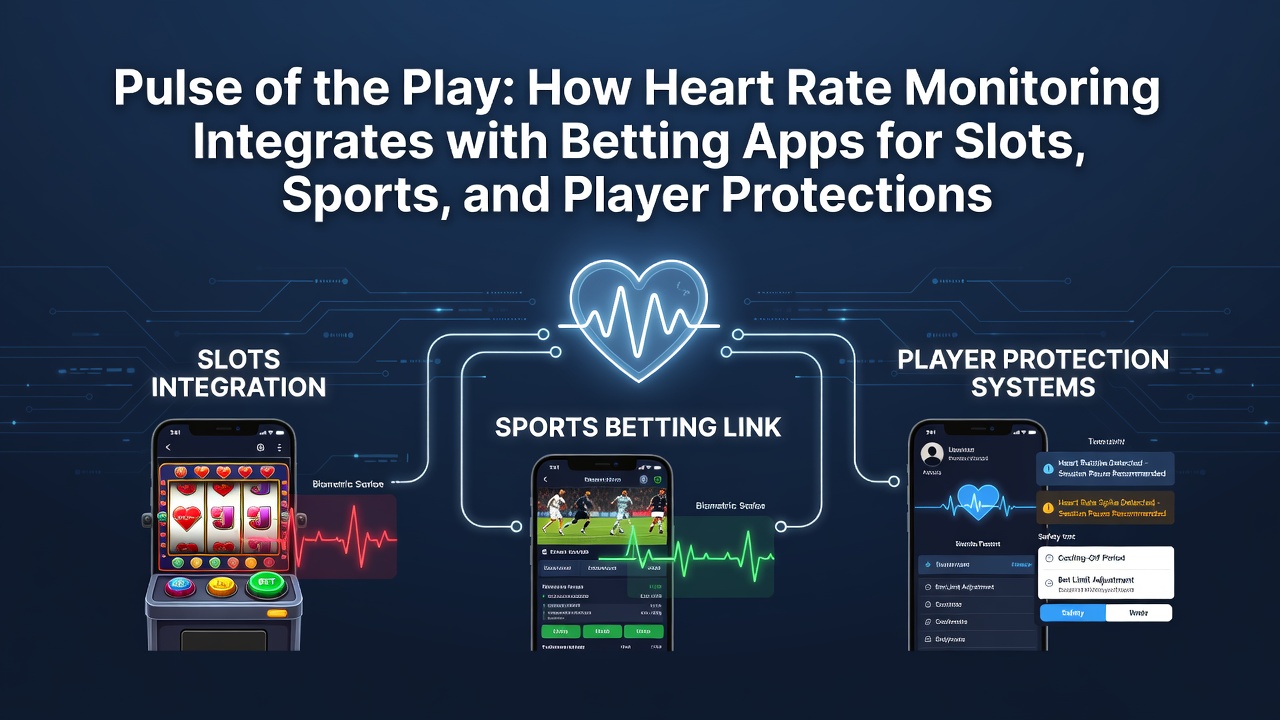
Heart rate monitoring has entered betting applications through partnerships with wearable fitness devices, allowing real-time physiological data to influence user sessions across slots, sports wagering, and responsible gambling tools. Developers integrate APIs from devices such as smartwatches and fitness bands so that elevated heart rates trigger in-app responses including session pauses, personalized prompts, and limit adjustments. Data from multiple studies link increased heart rate to moments of high engagement during gambling activities, and several platforms now test these signals to support player safety features.
Physiological Signals in Digital Gaming Environments
Research conducted at various universities demonstrates that heart rate variability rises during slot machine play, particularly when bonus rounds activate or jackpots near. Betting applications capture this data through secure connections, then apply algorithms that compare baseline readings against live spikes. When patterns exceed predefined thresholds, the system may display messages about taking a break or adjusting stake levels without interrupting the core game flow. Observers note that this approach differs from traditional time-based or deposit-limit tools because it responds directly to bodily feedback rather than fixed timers alone.
Application in Sports Betting Scenarios
Live sports markets generate rapid shifts in user arousal, and heart rate monitors record these changes during in-play decisions on football, basketball, and tennis events. Apps correlate heart rate surges with specific moments such as goal scorers, point spreads tightening, or overtime periods. Integration allows the platform to offer options like temporary bet suspension or quick access to account review screens when readings indicate sustained elevation. Figures from industry reports show that sports bettors often experience more variable heart rate patterns than slot players because of the event-driven nature of the activity, which creates distinct data signatures for system analysis.
Player Protection Mechanisms and Regulatory Context
Player protection modules within these apps use heart rate information to activate graduated interventions. Mild elevations might prompt a gentle notification about current session length, whereas sharper increases can freeze new wagers until the user confirms continued participation. In September 2026, several European and North American operators plan expanded trials of this technology following pilot programs that measured reduced session durations among participants who received physiological alerts. Regulatory bodies outside the UK, including the Responsible Gambling Council in Canada, have examined how biometric data fits within existing harm minimization frameworks, and similar discussions appear in reports from Australian research centers.
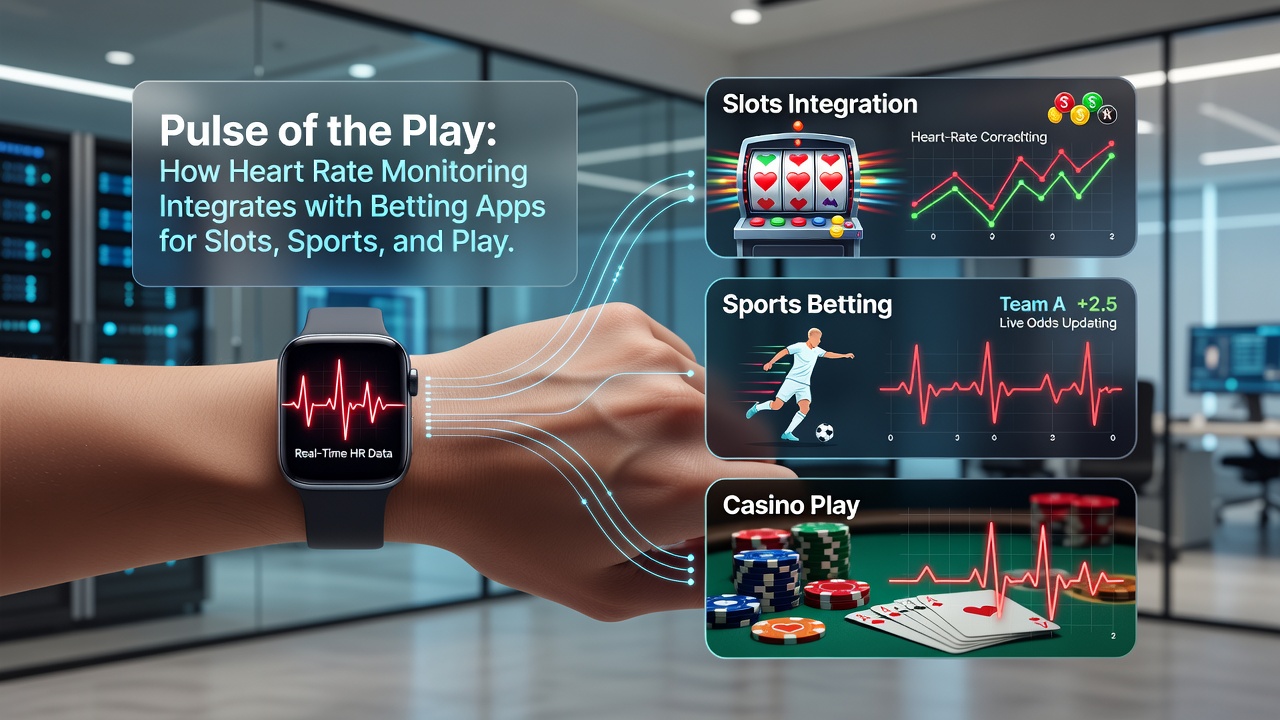
One study published in the Journal of Gambling Studies tracked participants who wore heart rate monitors while using integrated apps and recorded average reductions in consecutive bets placed after alerts triggered. The same research highlighted that users retained full control over whether to follow suggestions, preserving voluntary engagement while adding an objective data layer to decision-making processes.
Technical Implementation Across Platforms
Developers establish encrypted data pipelines between wearables and betting servers so that heart rate values transmit without storing identifiable medical records. Machine learning models trained on anonymized datasets distinguish between excitement from wins, frustration from losses, and neutral play periods. Slot interfaces might adjust visual intensity or sound levels temporarily when heart rate climbs, while sports dashboards highlight pause options during live matches. Testing continues across both iOS and Android environments because device permissions for health data differ by operating system and region.
Geographic Adoption Patterns and Data Sources
Operators in markets such as Australia and parts of Canada have moved faster on biometric integration because local research centers publish regular updates on problem gambling indicators. The Australian Gambling Research Centre released findings in early 2025 that connected heart rate monitoring with lower rates of extended play in controlled trials. These outcomes encourage further investment from software providers who seek to differentiate their responsible gambling suites from competitors that rely solely on self-reported limits.
Future Developments Expected by Late 2026
By September 2026, additional features under consideration include multi-device synchronization so that heart rate data from a watch can influence tablet-based sessions and voice assistant reminders for users who prefer hands-free interaction. Some platforms explore combining heart rate with other metrics such as skin conductance or eye-tracking on compatible hardware, though privacy regulations require explicit consent and clear data deletion schedules. Industry conferences scheduled for mid-2026 will likely showcase updated case studies that measure both player retention and harm reduction outcomes from these combined systems.
Conclusion
Heart rate monitoring represents one expanding layer within broader responsible gambling ecosystems that already include deposit limits, self-exclusion lists, and reality checks. The technology supplies objective physiological signals that complement existing behavioral analytics, yet it functions best when users understand both its capabilities and its boundaries. Continued collaboration between device manufacturers, betting operators, and independent researchers will determine how widely these integrations appear in mainstream applications over the coming years.