Regulatory Compliance Shaping Identity Verification Across Worldwide Online Prediction and Entertainment Systems
Written by Jakob Russell · Oct 5, 2026

Regulatory Compliance Shaping Identity Verification Across Worldwide Online Prediction and Entertainment Systems
Regulatory compliance continues to drive significant changes in how identity verification operates within online prediction and entertainment systems around the world, and data from multiple jurisdictions shows this influence expanding steadily through 2026. Governments and oversight bodies require operators to implement stricter know-your-customer protocols, anti-money laundering checks, and digital authentication measures that protect users while meeting legal standards across borders.
Global Regulatory Pressures and Verification Standards
Observers note that entities in the European Union rely on frameworks such as eIDAS to standardize electronic identification, and this approach encourages platforms to adopt interoperable verification tools that confirm user identities without creating unnecessary barriers to entry. Meanwhile, authorities in North America enforce separate requirements where state-level rules in the United States intersect with federal anti-money laundering directives from FinCEN, leading operators to layer biometric data alongside traditional document uploads.
Research indicates that similar patterns appear in Asia-Pacific markets, where regulators in Australia and Singapore demand real-time verification tied to national databases, and these systems reduce fraud incidents while creating smoother onboarding for compliant users. Operators must therefore balance these regional mandates with centralized compliance teams that track updates across jurisdictions.
Technological Adaptations in Identity Processes
Platforms integrate machine learning models to cross-reference user-provided information against multiple data sources, and this method speeds up approvals without sacrificing accuracy. Studies from academic institutions reveal that facial recognition combined with liveness detection now features in many verification flows because it counters deepfake attempts that grew more sophisticated by October 2026.
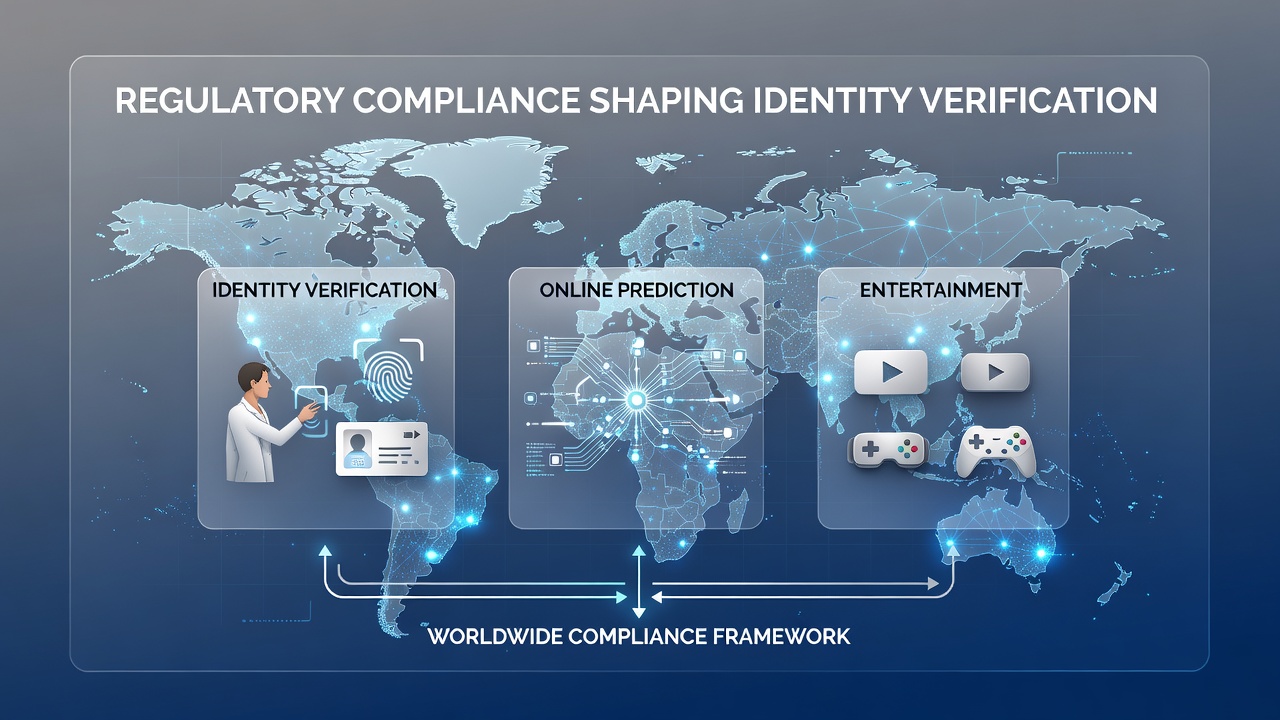
Yet the same technologies raise questions about data storage practices, so companies encrypt records and limit retention periods to satisfy privacy statutes in various countries. Those who manage large-scale operations often deploy modular verification engines that swap components based on the user's location, ensuring each transaction aligns with local statutes.
Regional Variations and Implementation Examples
Canadian provincial regulators have introduced guidelines that tie verification frequency to transaction volume, and this tiered model allows low-risk users quicker access while flagging higher activity for additional review. In Latin America, emerging markets experiment with partnerships between operators and local banks to leverage existing KYC records, cutting down duplicate checks and improving conversion rates.
Figures from industry reports show that verification failure rates dropped in regions that adopted these hybrid approaches, and the trend continues as more markets codify similar expectations. Operators track these metrics closely because repeated failures can trigger regulatory scrutiny or license reviews.
Challenges in Cross-Border Compliance
Coordinating identity rules across borders presents ongoing difficulties since one jurisdiction may accept a digital wallet as sufficient proof while another requires government-issued photo identification. Platforms respond by building flexible workflows that pause transactions until all required checks complete, and this practice prevents penalties yet can frustrate users who expect instant access.
Experts tracking developments into late 2026 point to increased collaboration between regulators through information-sharing agreements, and such arrangements help standardize baseline requirements without erasing local nuances. Data indicates that companies investing early in adaptable systems experience fewer compliance disruptions when new rules take effect.
Conclusion
Regulatory compliance shapes identity verification practices across worldwide online prediction and entertainment systems through evolving mandates, technological upgrades, and regional adaptations that continue to unfold as of October 2026. Operators that monitor these shifts maintain operational continuity while meeting obligations that protect both users and markets.